
Eco Packaging: The Smart and Sustainable Future for Modern Brands

Updated: Mar 21
Eco Packaging: A Sustainable Choice for Businesses
Eco Packaging is rapidly becoming a top priority for businesses across the United States that want to reduce their environmental footprint while meeting the expectations of eco-conscious consumers. As sustainability shifts from a trend to a standard, companies that invest in Eco Packaging gain a competitive edge, strengthen brand trust, and contribute to a healthier planet.
In this article, I’ll explore what Eco Packaging is, why it matters, its benefits for businesses, and how companies can successfully adopt sustainable packaging solutions.
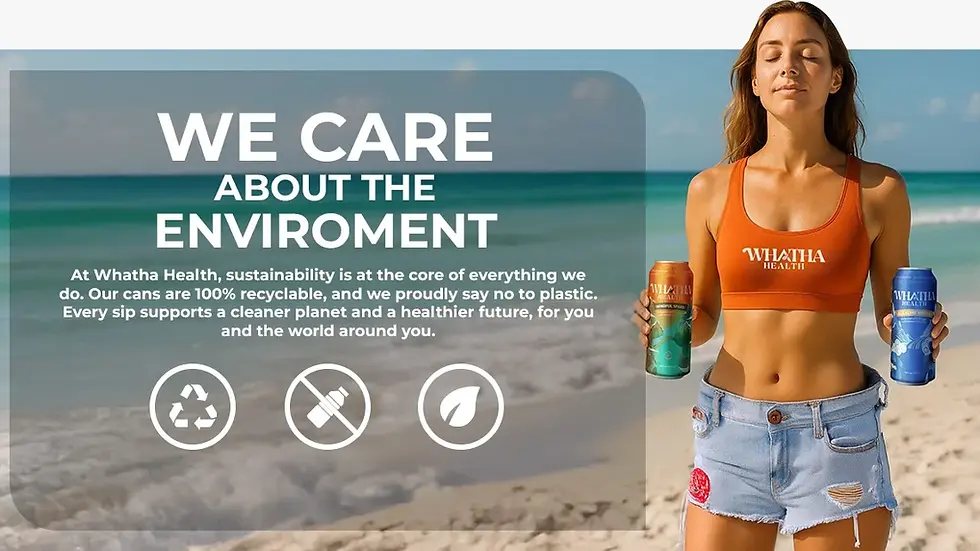
What Is Eco Packaging?
Eco Packaging refers to packaging solutions designed to have minimal environmental impact throughout their lifecycle. This includes responsible sourcing of materials, efficient manufacturing, reduced waste, and end-of-life recyclability or compostability.
Key characteristics of Eco Packaging include:
Recyclable or biodegradable materials
Compostable or reusable packaging designs
Reduced plastic usage
Renewable or responsibly sourced raw materials
Low-impact production processes
Unlike traditional packaging, Eco Packaging balances functionality, durability, and sustainability.
Why Eco Packaging Is Essential in Today’s Market
1. Growing Consumer Awareness
Consumers in the U.S. are more informed than ever. They actively seek brands that align with their values, especially sustainability and environmental responsibility. Studies show that customers are more likely to support companies that use Eco Packaging and clearly communicate their environmental efforts.
Sustainability-focused brands, like those represented by Forest Gold Water, understand that eco-conscious packaging is an extension of brand integrity and quality.
2. Environmental Impact Reduction
Traditional packaging materials contribute significantly to pollution and landfill waste. Eco Packaging helps reduce:
Plastic waste in oceans and landfills
Carbon emissions from production and transportation
Overconsumption of natural resources
By using materials such as recycled paper, biodegradable fibers, or plant-based alternatives, businesses can dramatically reduce their environmental footprint.
3. Compliance With Environmental Regulations
Environmental regulations are becoming stricter across many U.S. states. Eco Packaging helps companies stay ahead of regulatory changes while avoiding penalties and costly packaging overhauls in the future.
Benefits of Eco Packaging for Businesses
✔ Stronger Brand Image
Eco Packaging sends a clear message: your brand cares about the planet. This transparency builds trust, credibility, and long-term customer loyalty. Brands committed to purity, sustainability, and natural resources — like Forest Gold Water — benefit significantly from packaging that reflects those values.
✔ Cost Savings Over Time
Although sustainable packaging may seem more expensive initially, it often leads to long-term savings through:
Reduced material usage
Lightweight designs that lower shipping costs
Decreased waste management expenses
Efficient design and smart sourcing can make Eco Packaging both sustainable and cost-effective.
✔ Improved Customer Experience
Consumers appreciate packaging that is easy to recycle or reuse. Clear sustainability messaging enhances the unboxing experience and reinforces positive brand perception.
Common Types of Eco Packaging Materials
🌿 Recycled Paper and Cardboard
Widely recyclable and ideal for boxes, labels, and inserts.
🌿 Compostable Materials
Made from renewable sources such as cornstarch or sugarcane.
🌿 Bioplastics
Derived from plant-based resources instead of petroleum.
🌿 Reusable Packaging
Designed for multiple uses, reducing waste significantly.
Choosing the right material depends on the product, logistics, and brand values.
How to Transition to Eco Packaging Successfully
Step 1: Assess Your Current Packaging
Identify unnecessary materials and waste.
Step 2: Select Sustainable Alternatives
Choose materials that align with your product quality and environmental goals.
Step 3: Communicate Your Efforts
Educate customers about your sustainability initiatives through blogs, product pages, and storytelling — a strategy effectively used by brands like Forest Gold Water.
Step 4: Test and Improve
Gather customer feedback and continuously optimize packaging performance.
Eco Packaging and the Future of Sustainability
Eco Packaging is no longer optional — it is becoming a standard expectation. Businesses that adopt sustainable packaging today are positioning themselves as leaders in responsibility, innovation, and environmental stewardship.
As demand for sustainable products continues to rise in the U.S., Eco Packaging will play a central role in shaping consumer trust and long-term brand success.
The Role of Eco Packaging in Business Strategy
Integrating Eco Packaging into your business strategy is crucial. It aligns your operations with modern consumer expectations. This alignment can drive growth and enhance your brand's reputation.
Building Partnerships
Collaborating with suppliers who prioritize sustainability can amplify your efforts. These partnerships can lead to innovative packaging solutions that meet both your needs and those of your customers.
Marketing Your Eco-Friendly Initiatives
Promote your Eco Packaging efforts through various channels. Use social media, email newsletters, and your website to share your commitment to sustainability. Highlight the benefits of your packaging choices and how they contribute to a healthier planet.
Final Thoughts
Eco Packaging represents a powerful opportunity for businesses to align profitability with sustainability. By reducing waste, improving brand perception, and meeting regulatory requirements, companies can create meaningful impact while strengthening customer relationships.
For brands that value purity, natural resources, and responsible sourcing, aligning packaging strategies with a sustainability-driven mission — like that of Forest Gold Water — is a natural and strategic step toward a more sustainable future.
Embrace Eco Packaging. It’s not just a trend; it’s the future of responsible business.


Comments